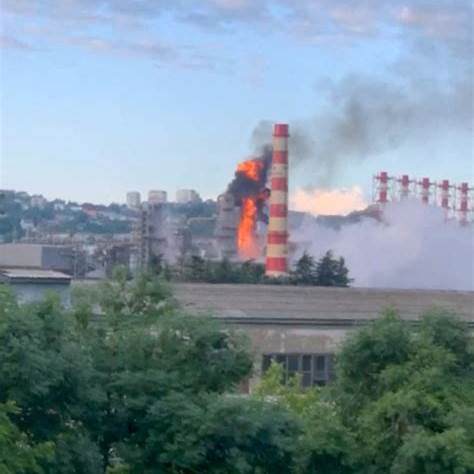
Ukraine–Russia Drone War: Kyiv Expands Long-Range Strikes on Russian Oil Infrastructure
The Ukraine Russia drone war has entered a more intense phase, as Kyiv expands long-range attacks on Russian oil ports, tankers, and energy infrastructure. The latest strikes on Primorsk and other targets show how drones are reshaping the conflict beyond the front line.
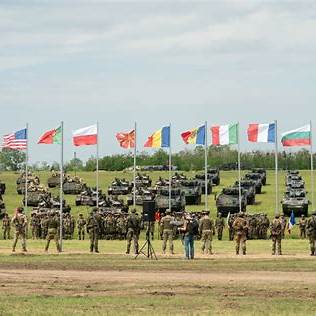
U.S. Troops in Germany: Drawdown Raises New Questions About NATO Security
U.S. troops in Germany are set to be reduced by about 5,000 over the next six to twelve months. The decision has raised new questions about NATO security, European defense responsibility, and the future of transatlantic military cooperation.
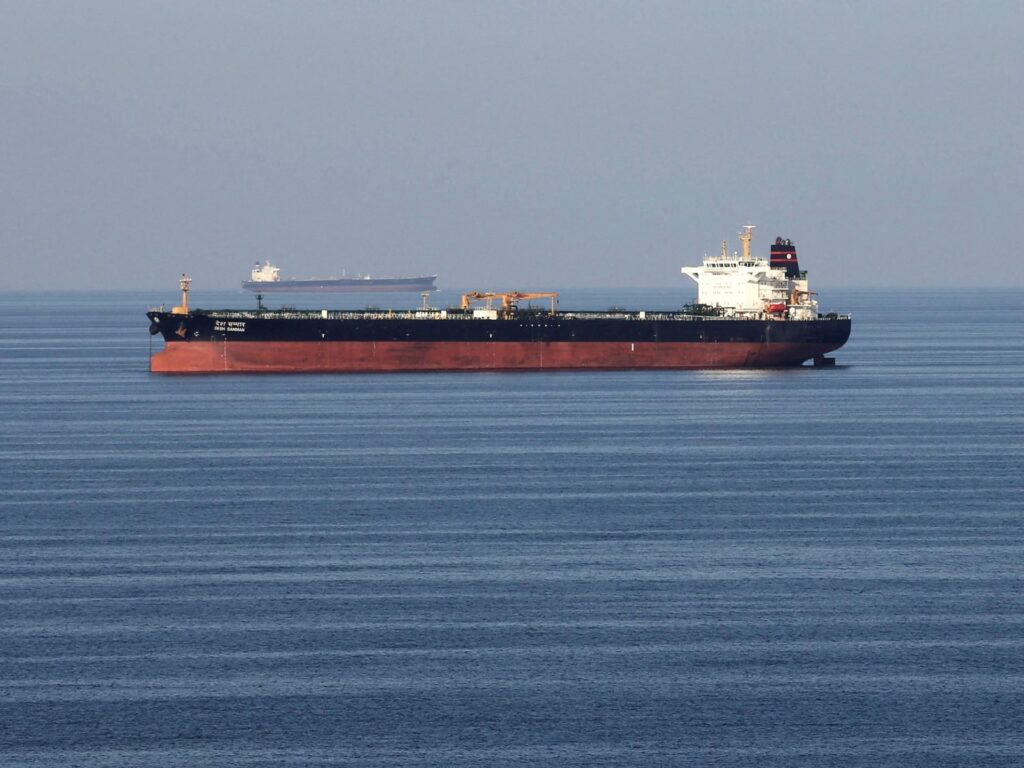
U.S.–Iran Tensions Rise After Ship Attack Near Strait of Hormuz
U.S. Iran Hormuz tensions have intensified after a cargo ship reported an attack near the Strait of Hormuz. The incident comes as Iran reviews Washington’s response to its latest proposal to end the conflict, while the strategic waterway remains central to global oil and gas security.

Mexico City Is Sinking: A Growing Urban Crisis Seen From Space
Mexico City sinking has become a major urban crisis, as new satellite data shows rapid land subsidence caused mainly by groundwater extraction. The problem is damaging roads, buildings, water systems, and public infrastructure, raising serious concerns for the future of one of the world’s largest cities.

Sweden tourism and quality of life position the country among Europe’s top destinations, combining strong economic growth, advanced technology, stunning natural landscapes, and one of the highest living standards in the world.
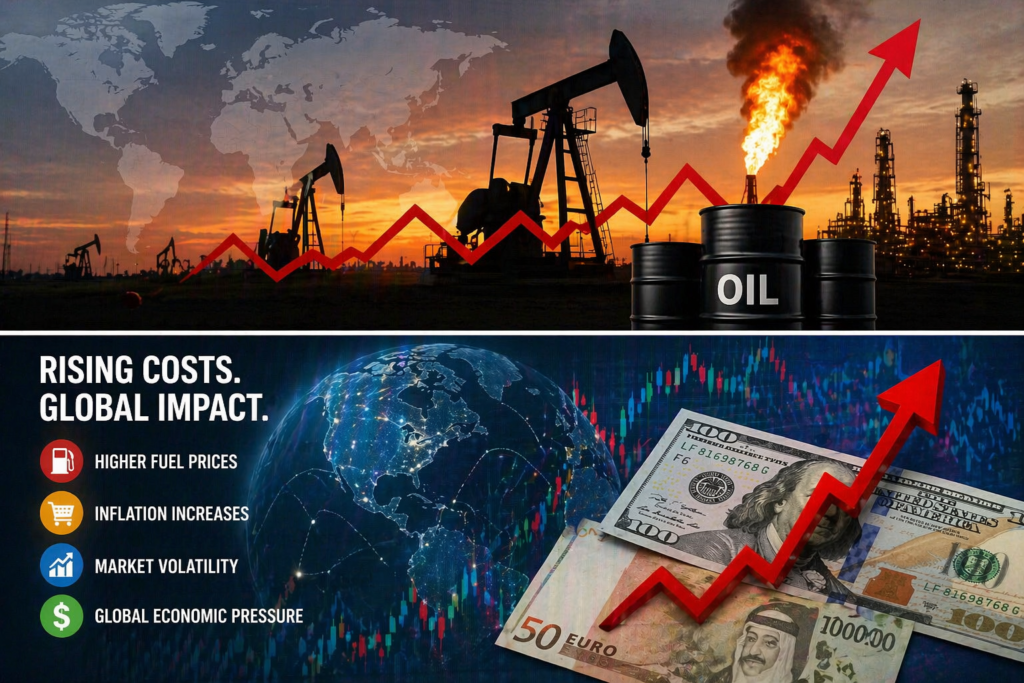
The US Iran conflict 2026 is having a significant impact on the global economy, particularly through rising oil prices and increased market instability. Tensions in key regions like the Strait of Hormuz are disrupting energy supply and driving inflation worldwide. As a result, businesses face higher costs, consumers experience reduced purchasing power, and financial markets show increased volatility. While a diplomatic solution could stabilize the situation, continued conflict may lead to prolonged economic uncertainty on a global scale.

📰 Technological Competition Between the United States and China: A Scientific and Strategic Analysis
The technological rivalry between the United States and China is driving rapid advancements in AI, semiconductors, and quantum computing, reshaping global innovation while introducing new strategic and scientific challenges.
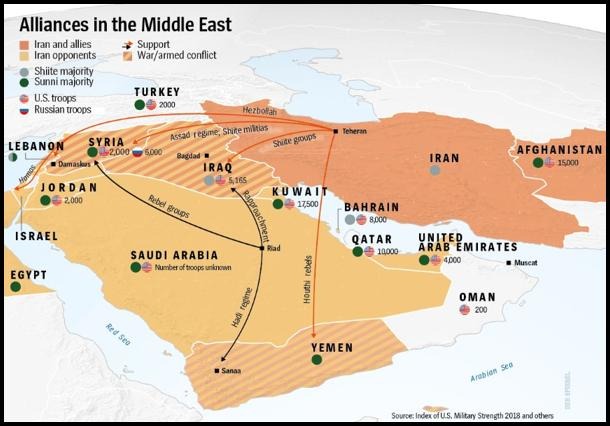
US-Iran Tensions at a Critical Juncture: Strategic Uncertainty Ahead of Ceasefire Deadline.
The confrontation between the United States and Iran is entering a critical phase as a fragile ceasefire nears expiration. Tensions remain high, with military pressure, economic instability, and stalled diplomacy shaping the situation.
The U.S. naval blockade in the Strait of Hormuz and Iran’s ability to disrupt maritime routes have already impacted global oil markets. Negotiations have reached a deadlock, as both sides hold firm to their demands. Possible outcomes include a renewed ceasefire, limited military clashes, unexpected escalation, or a prolonged period of tension. The conflict has global implications, especially for energy markets and international security.

US–Iran Tensions Escalate After Strait of Hormuz Incident: Global Concerns Rise
Tensions between the United States and Iran have intensified significantly over the past 48 hours, raising fears of a new geopolitical crisis in the Middle East. What began as a fragile ceasefire is now under serious threat, following a controversial maritime incident near one of the most strategic waterways in the world — the Strait of Hormuz.
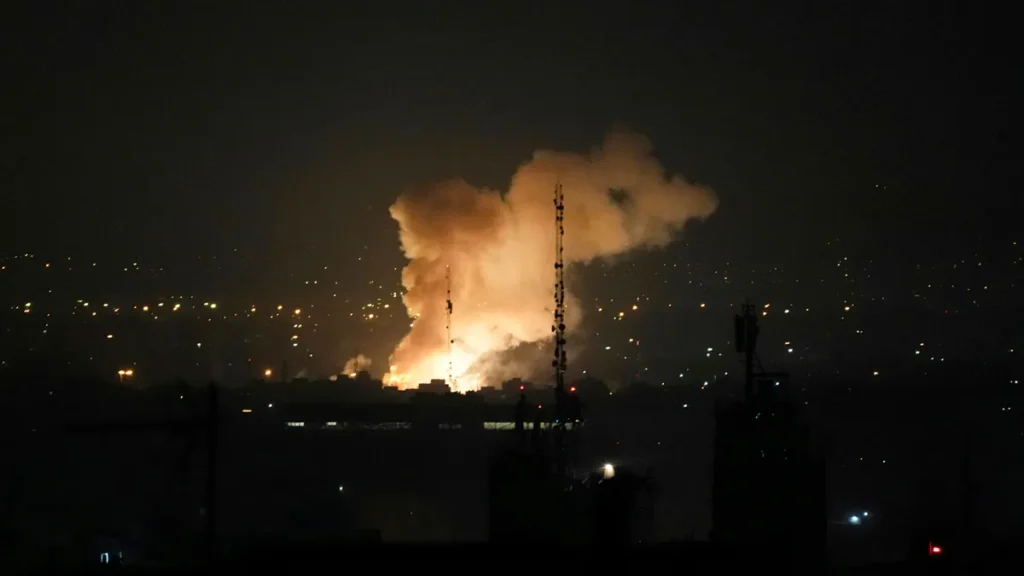
The situation between Iran and the United States in the Middle East remains highly tense and unstable. Military strikes are continuing, while public messages about diplomacy remain contradictory: U.S. officials have spoken about possible productive contacts, but Iran has denied direct negotiations.
At the same time, the conflict is affecting the wider region, with fighting and pressure involving Israel, Gulf states, and key energy routes. This has increased fears about regional security and disruptions to oil supplies.
There are also economic consequences. Rising energy prices and war-related uncertainty have already affected markets and business activity, including in the United States. Overall, the latest reporting does not show a confirmed peace agreement or a clear immediate resolution.
For a very short version for your article:
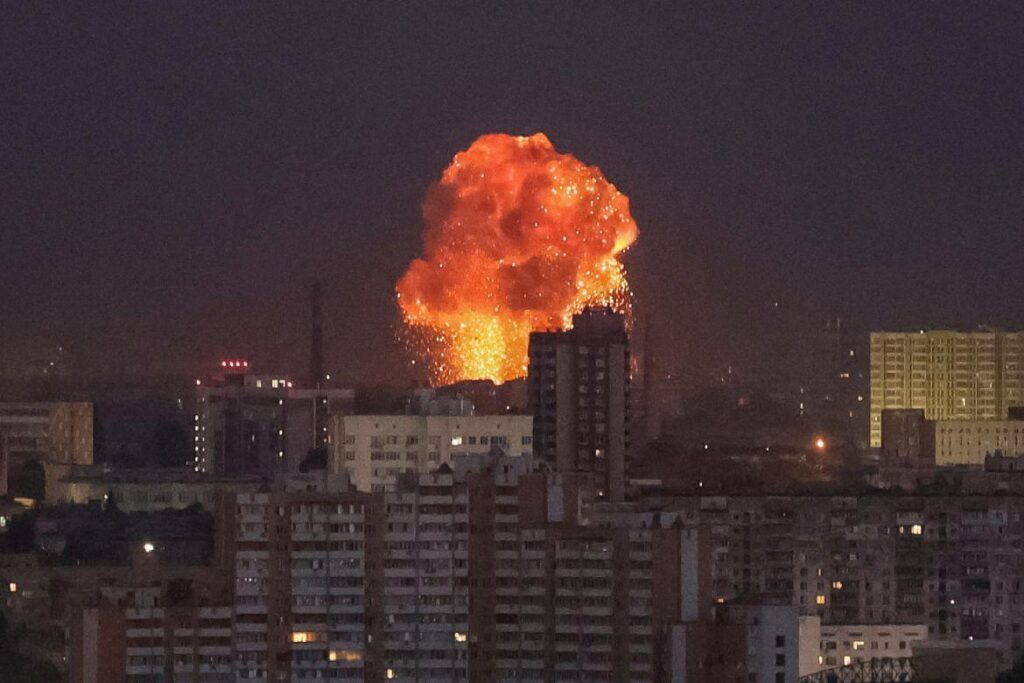
Middle East
The conflict in Gaza between Hamas and the Israel Defense Forces continues to worsen the humanitarian situation, with severe shortages of food, water, and medical care. Tensions have also expanded regionally, particularly along the Lebanon border involving Hezbollah, raising fears of a wider conflict that could involve Iran. Diplomatic efforts led by the United Nations are ongoing but have not yet produced a stable ceasefire.
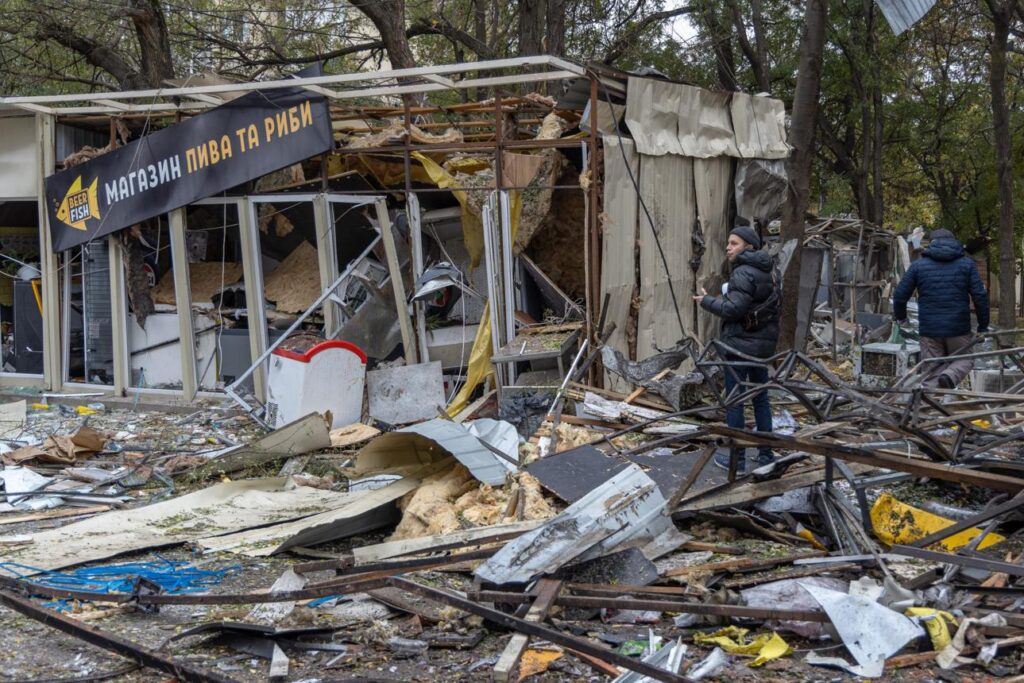
Russia–Ukraine War
The war between Russia and Ukraine has entered a prolonged phase. Russia has intensified drone and missile attacks targeting cities and infrastructure, while Ukraine continues to defend itself with support from NATO and the United States. The conflict is now widely seen as a war of attrition, with no major peace negotiations currently underway.