Tensions between the United States and Iran have entered a highly sensitive phase after a cargo ship reported an attack near the Strait of Hormuz, one of the most important maritime routes in the world. The incident comes at the same time that Tehran says it is reviewing Washington’s response to Iran’s latest proposal aimed at ending the conflict.
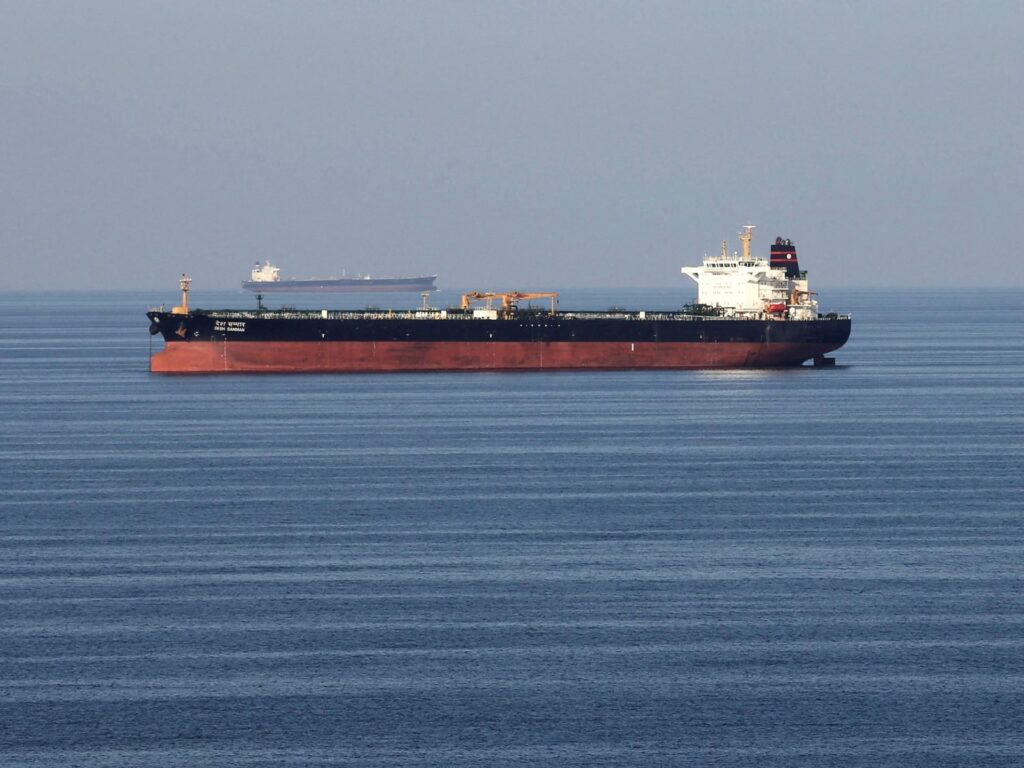
According to AP News, the cargo ship reported that it was attacked by multiple small craft near the Strait of Hormuz. The report cited the British military’s United Kingdom Maritime Trade Operations center, which monitors maritime security incidents in the region. AP described the attack as the latest in at least two dozen incidents in and around the strait since the Iran war began.
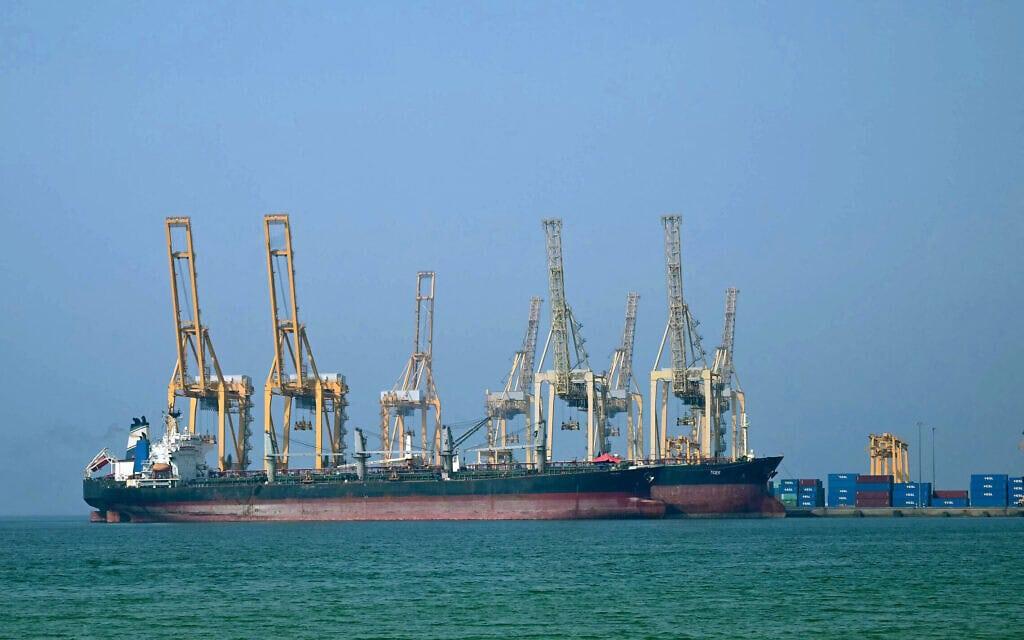
The Strait of Hormuz is not an ordinary sea passage. It is a narrow but vital maritime corridor between the Persian Gulf and the Gulf of Oman. A major share of the world’s oil and liquefied natural gas passes through this route. For that reason, any military incident in the area can quickly affect global energy markets, shipping insurance, and international security calculations. AP reported that about one-fifth of the world’s oil and natural gas trade typically passes through the strait.
Iran denied carrying out an attack, according to AP, and said the vessel had been stopped for what Tehran described as a standard document check. However, the incident has increased concern among international observers because the strait has already become a central point of pressure between Tehran and Washington.
The timing is especially important. Iran has confirmed that it received a U.S. response to its latest diplomatic offer. Reuters reported that Iran’s proposal would include opening the Strait of Hormuz before nuclear negotiations, while Tehran also wants an end to the U.S. blockade and a postponement of nuclear talks.
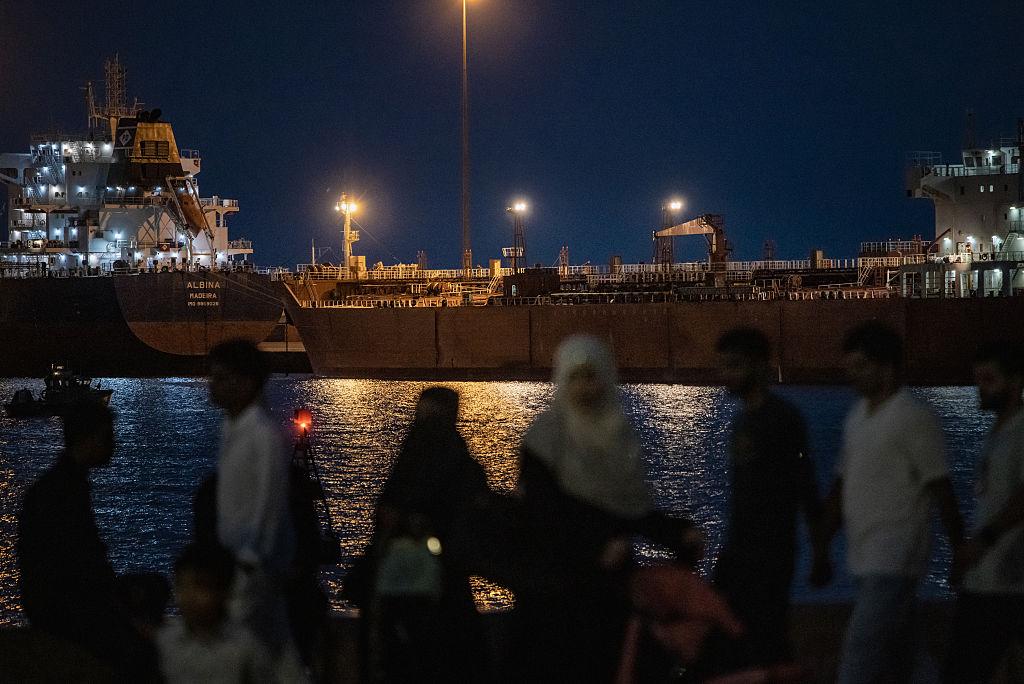
This shows that the current crisis is not only military. It is also diplomatic, economic, and strategic. Iran appears to be using the Strait of Hormuz as leverage in negotiations. The United States, meanwhile, continues to treat maritime security as a core priority because any disruption in the strait can affect allies, global trade, and oil prices.
Reuters reported that President Donald Trump had expressed dissatisfaction with Iran’s proposal, although U.S. officials have continued to leave open the possibility of diplomacy. AP also reported that Trump said he was “not satisfied” with Iran’s latest proposal and that talks were continuing by phone.
From a geopolitical perspective, the crisis has three main dimensions. The first is maritime security. Small-boat attacks, vessel inspections, and threats near shipping lanes create uncertainty for commercial operators. Even if a single incident does not stop trade, repeated incidents raise costs and increase risk.
The second dimension is energy security. If the Strait of Hormuz becomes unstable, oil and gas markets may react quickly. OPEC+ countries have already agreed to a modest production increase, but AP noted that this move comes while Iran still maintains pressure over the key route.
The third dimension is diplomacy. Iran wants sanctions relief, an end to the blockade, and a broader political settlement. The United States wants guarantees that reduce future threats from Iran. These positions remain far apart. This makes a quick agreement difficult.
The situation is also complicated by military signaling. Reuters reported that Iran warned it would respond with “long and painful strikes” on U.S. positions if Washington renewed attacks. That warning adds pressure to an already tense environment and increases the risk of miscalculation.
For regional countries, the stakes are high. Gulf states depend heavily on secure maritime trade. Energy importers in Asia and Europe also depend on stable flows through the strait. A prolonged crisis could increase fuel prices, disrupt shipping schedules, and weaken global market confidence.
The coming days will be critical. If Iran and the United States continue indirect communication, the latest proposal may become a starting point for de-escalation. If talks fail, the risk of further maritime incidents or military responses could increase.
At this stage, the situation remains fragile. The ship attack near the Strait of Hormuz shows how easily military and diplomatic pressure can overlap. The United States and Iran are not only negotiating over political terms. They are also testing influence over one of the world’s most strategic waterways.
The key question now is whether diplomacy can move faster than escalation. If not, the Strait of Hormuz may remain the most dangerous flashpoint in the U.S.–Iran confrontation.