Updated: April 21, 2026
The geopolitical confrontation between the United States and Iran has entered a decisive phase, as a fragile ceasefire approaches expiration amid mounting military, economic, and diplomatic tensions. The current situation reflects not a conventional war dynamic, but rather a complex interplay of strategic deterrence, limited escalation, and stalled negotiation processes that may shape the trajectory of the conflict in the coming days.
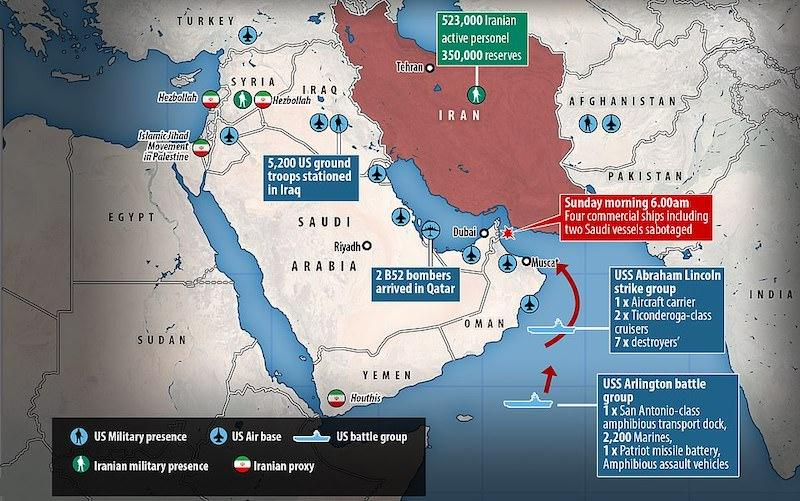
At the core of the crisis lies a series of interconnected developments that have progressively intensified since early 2026. Following direct military engagements, including airstrikes and retaliatory missile attacks, both states have transitioned into a phase of controlled confrontation. The United States has imposed a naval blockade targeting Iranian maritime routes, particularly in the strategically vital Strait of Hormuz—one of the most critical chokepoints for global energy supply.
Iran, in response, has demonstrated its capacity to disrupt maritime traffic and regional stability, leveraging both conventional and asymmetric tools. The temporary closure and reopening of the Strait of Hormuz has already produced measurable impacts on global oil markets, reinforcing the strategic significance of this corridor, through which approximately one-fifth of the world’s oil supply passes.
Recent diplomatic efforts have failed to produce a sustainable resolution. Negotiations mediated through third-party actors have been characterized by deep structural disagreements. According to analysis reported by , Iran appears to perceive little incentive to concede under current conditions, viewing its military capabilities and regional influence as sufficient leverage. Conversely, the United States continues to demand substantial concessions, including limitations on Iran’s nuclear program, missile capabilities, and regional alliances.
This asymmetry in expectations has resulted in a negotiation deadlock. While both sides have expressed rhetorical support for diplomacy, practical engagement remains limited. Iran’s leadership has emphasized the importance of dialogue while simultaneously signaling distrust toward U.S. intentions, suggesting that diplomatic overtures are constrained by historical and strategic considerations.
The economic dimension of the conflict further complicates the situation. Oil prices have shown high volatility in response to developments, with recent increases driven by uncertainty surrounding the ceasefire deadline and potential escalation scenarios. Such fluctuations are not merely market reactions but indicators of broader systemic risk, reflecting the global economy’s sensitivity to disruptions in energy supply chains.
From a military standpoint, both sides appear to be calibrating their actions carefully. While large-scale escalation remains a possibility, current behavior suggests a preference for limited, controlled engagements designed to maintain pressure without triggering full-scale war. The extension of certain U.S. military capabilities and deployments underscores the importance of maintaining readiness while avoiding overcommitment.
Looking ahead to the immediate future—particularly the period following the expiration of the ceasefire—several plausible scenarios emerge.
The first scenario involves a renewal of diplomatic engagement, potentially leading to a temporary extension of the ceasefire. This outcome would require both sides to make tactical concessions, even if a comprehensive agreement remains unlikely in the short term. However, current indicators suggest that such a breakthrough would require a significant shift in political positioning.
A second scenario entails a return to limited hostilities, characterized by targeted strikes, maritime confrontations, and continued economic pressure. This model of conflict resembles historical patterns of controlled escalation, where neither side seeks total war but maintains persistent engagement to achieve strategic objectives.
A third, more destabilizing scenario involves miscalculation or unintended escalation. Given the density of military assets in the region and the sensitivity of maritime routes, even a minor incident could trigger a broader confrontation. Analysts warn that such risks are amplified in environments where communication channels are weak or politicized.
Finally, there remains the possibility of a prolonged strategic stalemate. In this scenario, the conflict evolves into a sustained period of low-intensity confrontation, combining economic sanctions, proxy engagements, and periodic military actions. This outcome would mirror other contemporary geopolitical conflicts, where resolution is deferred in favor of long-term strategic positioning.
In assessing the situation, it is essential to recognize that the U.S.–Iran conflict is not solely a bilateral issue but a regional and global concern. The involvement of allied states, the centrality of energy markets, and the implications for international security frameworks all contribute to its complexity.
As the ceasefire deadline approaches, the coming days will be critical in determining whether the trajectory shifts toward de-escalation or renewed confrontation. What remains clear is that the current phase of the conflict is defined less by decisive action and more by strategic uncertainty—a condition that demands careful observation and nuanced analysis.