Focus Keyword: technology and physics integration
Meta Description:
Explore how technology and physics have rapidly integrated, shaping innovation, and what the future holds for science and advanced technologies.

📝 ARTICLE
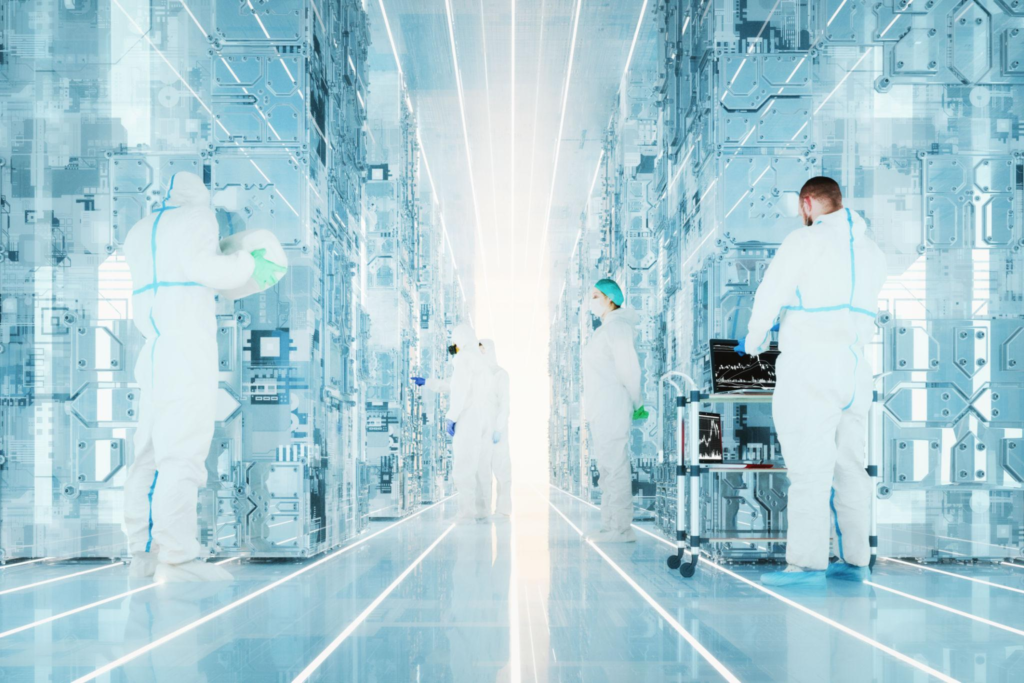
The integration of technology and physics is transforming the modern world at an unprecedented speed. Technology and physics now evolve together, creating powerful innovations in science, industry, and everyday life.
In the past, physics provided theoretical understanding. Technology followed slowly. Now, both fields evolve together. This creates a powerful cycle of innovation.
⚙️ Rapid Integration of Technology and Physics
The integration of technology and physics has become faster due to computational power. Advanced computers can simulate complex physical systems. This reduces the need for long experimental processes. For example, quantum physics has directly influenced modern computing. Quantum computing is not just theory anymore. It is becoming a real technological tool.
Artificial intelligence is another example. AI uses physical hardware optimized through physics. At the same time, physics research now uses AI to analyze large datasets.
This shows a two-way relationship. Technology improves physics. Physics improves technology.
🔬 Impact on Scientific Research
The impact of technology and physics integration is visible in scientific research. Experiments that once took years can now be completed in months. Modern laboratories use advanced sensors, automation, and simulation tools. These tools are based on physical laws but enhanced by technology. Particle physics, space exploration, and material science are advancing quickly. This is possible because technology allows better measurement and precision. In addition, collaboration has improved. Scientists from different countries can work together using digital platforms. This accelerates discovery and innovation.
👉 Read more about innovation and science:
QUANTUM BATTERY – NewsAI-24
🌍 Real-World Applications
The integration of technology and physics affects everyday life. It is not limited to laboratories. Smartphones, renewable energy systems, and medical devices all rely on physics. Technology transforms these principles into practical tools.
For example:
- Solar panels use quantum physics to generate electricity
- MRI machines use electromagnetic principles
- Electric vehicles depend on energy efficiency models
These applications show how physics is embedded in modern technology.
👉 External reference:
https://www.bbc.com/news/science_and_environment


🔮 Future Expectations
The future of technology and physics integration looks even more promising. Experts expect faster development and deeper interaction. Quantum computing will likely become more stable. This will change data processing and cybersecurity. Artificial intelligence will become more advanced. It will help solve complex physical problems faster. Nanotechnology is another key area. It will allow the creation of materials at atomic levels. This could revolutionize medicine, energy, and manufacturing. Space technology will also benefit. Better propulsion systems and energy solutions will enable deeper space exploration. However, challenges remain. Ethical concerns, data security, and energy consumption must be addressed carefully.
✅ Conclusion
The integration of technology and physics is one of the most powerful drivers of modern innovation. It has transformed how we understand and interact with the world. This integration is not slowing down. It is accelerating. The future will depend on how effectively these two fields continue to evolve together. From quantum computing to artificial intelligence, the next generation of technology will be built on physics. Understanding this relationship is essential for predicting future advancements.