U.S. Troops in Germany Face a Major Reduction
The planned reduction of U.S. troops in Germany has become one of the most important security developments in Europe. The Pentagon has announced that about 5,000 American troops will be withdrawn from Germany over the next six to twelve months. The decision affects Germany, NATO, and the wider European security system.
Germany is one of the most important locations for the United States military in Europe. It hosts major U.S. bases, logistics centers, training facilities, and command structures. These sites support not only Germany, but also broader American and NATO operations across Europe, the Middle East, and Africa. The announcement comes at a sensitive time. Europe is still dealing with the consequences of the Russia–Ukraine war. NATO is under pressure to strengthen its eastern flank. At the same time, political tensions between Washington and several European capitals have increased over defense spending, trade, and the war involving Iran.
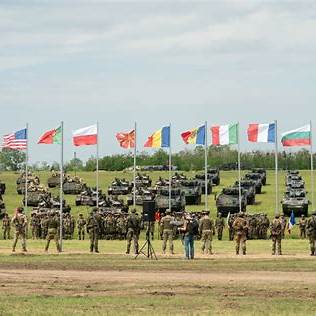
Why Germany Matters for U.S. and NATO Strategy
Germany is not simply another NATO member. It is a central military hub for the alliance. U.S. forces stationed there support rapid deployment, medical evacuation, training, intelligence, and military transport.
Bases in Germany allow the United States to move troops and equipment quickly across Europe. They also support missions outside Europe. This makes Germany a strategic platform rather than only a host country.
For NATO, this presence has symbolic and practical value. It shows American commitment to European defense. It also helps deter potential aggression, especially as Russia remains a major security concern for the alliance. A reduction of 5,000 troops does not mean that the United States is leaving Germany. But it does raise questions. European leaders want to know whether this is a limited adjustment or the beginning of a larger shift in U.S. defense policy.
The Political Dispute Behind the Drawdown
The troop reduction has been linked to a wider political dispute between U.S. President Donald Trump and German Chancellor Friedrich Merz. AP reported that the Pentagon’s decision followed tensions between the two leaders over the U.S. war with Iran. Merz had criticized Washington’s strategy, while Trump later said the United States could reduce its troop presence in Germany even further.

Reuters reported that Merz later downplayed the dispute. He said there was “no connection” between the troop decision and his disagreement with Trump. Merz also said that the United States remains an important partner for Germany, despite political differences. Still, the timing has created concern. The decision came during a period of strained transatlantic relations. Reuters reported that tariff tensions, disagreement over Iran, and questions about European defense responsibility have all contributed to a more difficult political climate between the United States and Europe.
NATO Seeks Details From Washington
NATO has responded carefully. Reuters reported that NATO is working with the United States to understand the details of the decision and what it means for force posture in Germany. NATO spokesperson Allison Hart said the adjustment highlights the need for Europe to continue investing more in defense and taking greater responsibility for shared security.
This response is important. NATO does not want to present the decision as a crisis. At the same time, the alliance must understand whether the drawdown affects readiness, deterrence, and operational planning. The troop reduction also raises questions about the future of planned military deployments. Reuters reported that the move may spell the end of a long-range missile battalion that had been expected in Germany. That deployment had been viewed by Berlin as part of deterrence against Russia.
European Defense Responsibility Becomes More Urgent
German Defence Minister Boris Pistorius said the U.S. drawdown should push Europe to strengthen its own defense capacity. This reflects a broader debate inside NATO. For years, the United States has urged European allies to spend more on defense and reduce dependence on American military power.
The current situation may accelerate that discussion. If European governments believe U.S. commitments are becoming less predictable, they may increase defense spending, expand joint procurement, and strengthen military readiness. This could make Europe more capable in the long term. But it also creates short-term challenges. Building defense capacity takes time. Recruiting soldiers, producing weapons, expanding air defense, and improving logistics cannot be done overnight. Germany has already increased defense spending after Russia’s full-scale invasion of Ukraine. However, transforming military capability is a slow process. The troop reduction may now increase pressure on Berlin and other European capitals to act faster.
Concern Among U.S. Republicans
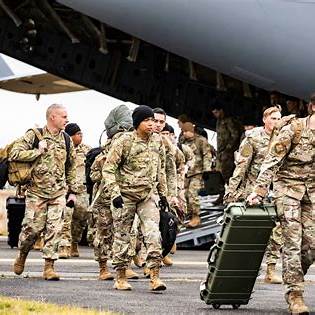
The decision has also raised concern inside the United States. Reuters reported that two senior Republican lawmakers expressed worry about the Pentagon’s decision to withdraw 5,000 troops from Germany. They argued that the troops should not leave Europe and that any redeployment should be coordinated with Congress and NATO allies. This is significant because support for NATO has traditionally had backing from both major parties in Washington. When senior lawmakers question a troop reduction, it shows that the issue is not only a disagreement between the United States and Germany. It is also part of an internal American debate over national security strategy. Some U.S. officials may argue that Europe should carry more of the burden. Others may fear that reducing forces in Germany could weaken deterrence at a dangerous time.
Impact on Russia and European Security
The drawdown will be closely watched by Russia. Moscow monitors NATO unity carefully. Any sign of disagreement between Washington and European allies can be interpreted as political weakness. This does not mean NATO is militarily weak. The alliance remains the most powerful military bloc in the world. But deterrence depends not only on weapons and troop numbers. It also depends on unity, clarity, and credibility.
If Russia believes that NATO is divided, it may become more willing to test the alliance politically, militarily, or through hybrid operations. This is why European leaders are likely to emphasize unity even as they discuss the practical effects of the troop reduction. The decision also matters for Ukraine. Germany is a major support hub for Ukraine-related coordination. Any change in U.S. posture in Germany could raise questions about logistics, training, and long-term support for Kyiv, even if the immediate reduction does not directly affect those missions.
What Could Happen Next
There are several possible outcomes.
The first possibility is that this remains a limited drawdown. In that case, the United States would reduce troop numbers but preserve Germany’s core role as a military hub.
The second possibility is that the reduction becomes part of a larger U.S. shift away from Europe. AP reported that Trump said the United States could reduce troop numbers in Germany “a lot further” than the initial 5,000. If that happens, European defense planning would need to adjust quickly.
The third possibility is that some forces are moved elsewhere in Europe rather than removed completely. Some U.S. lawmakers have suggested that troops should remain in Europe, possibly closer to NATO’s eastern flank.
For now, the key issue is uncertainty. NATO needs clarity. Germany needs planning time. European allies need to understand whether the decision is tactical or strategic.
Conclusion
The planned reduction of U.S. troops in Germany is more than a military adjustment. It is a signal about the changing balance of responsibility inside NATO. Germany remains a critical hub for American and allied security operations. A 5,000-troop reduction does not end the U.S. military role in Europe. But it does raise important questions about deterrence, alliance unity, and Europe’s ability to defend itself with less reliance on Washington. The coming months will show whether the drawdown is a limited repositioning or the start of a deeper shift in U.S. policy. For now, the debate highlights one central reality: European security is entering a more uncertain phase, and NATO must adapt quickly.