Ukraine Russia Drone War Enters a New Phase
The Ukraine Russia drone war has entered a new and more technologically complex stage. The battlefield is no longer limited to trenches, artillery positions, and front-line towns. It now extends deep into Russian territory, where oil terminals, refineries, tankers, pipelines, and military vessels are becoming regular targets.
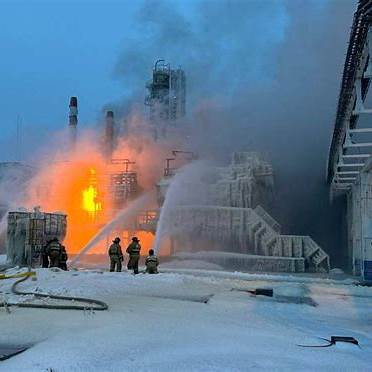
Ukraine has increasingly used long-range drones to strike strategic targets inside Russia. These attacks are designed to weaken Russia’s military logistics and reduce its ability to finance the war. They also show how modern warfare is changing. Drones are now central weapons, not secondary tools. According to Reuters, Ukraine launched a wave of drone attacks against Russian targets, including the Baltic Sea port of Primorsk. Ukrainian President Volodymyr Zelenskiy said the strikes caused significant damage to the oil terminal. He also said Ukrainian forces hit an oil tanker, a missile ship, and a patrol boat in the Baltic Sea.
Why Primorsk Oil Port Matters
Primorsk is not a symbolic target. It is one of Russia’s most important oil-exporting ports on the Baltic Sea. Because of this, any damage to the port can affect Russian oil logistics, export routes, insurance costs, and energy revenues. AP News reported that Ukraine struck the port of Primorsk and also targeted tankers that Kyiv says are connected to Russia’s so-called “shadow fleet.” This fleet is used to move Russian crude oil while avoiding Western sanctions.
The importance of Primorsk is economic and strategic. Russia depends heavily on oil exports to support its state budget and war economy. By targeting oil ports and tankers, Ukraine is trying to increase the financial pressure on Moscow. This strategy does not require major ground advances. Instead, Ukraine is using long-range precision strikes to damage important infrastructure far from the front line. This makes the war more difficult for Russia to contain.
How the Ukraine Russia Drone War Is Targeting Energy Infrastructure
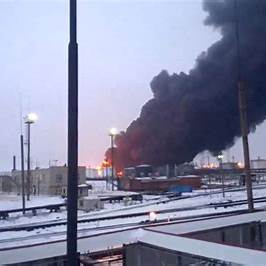
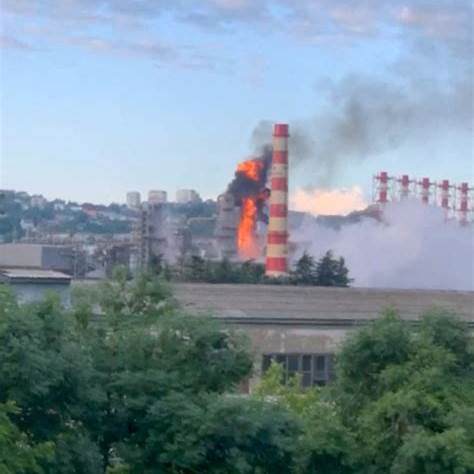
Energy infrastructure has become one of the main targets in the war. Ukraine has repeatedly struck Russian oil refineries, fuel depots, ports, pumping stations, and transport facilities. These targets are important because they support Russia’s military and economy. Reuters reported that Ukrainian drones also struck Russian oil facilities deep inside the country, including areas far from the battlefield. Some attacks reached facilities around 1,500 kilometers from Ukraine, showing the growing range of Kyiv’s drone capabilities. The purpose of these strikes is clear. Ukraine wants to weaken Russia’s fuel supply, reduce export capacity, and force Moscow to spend more resources defending industrial sites. Even when damage is limited, repeated attacks can create serious disruption. They can delay operations. They can increase insurance costs. They can force repairs. They can also reduce confidence in Russia’s ability to protect key infrastructure.
Drones Are Changing the Battlefield
Drones have changed the structure of the Ukraine Russia drone war. They are cheaper than traditional missiles. They can be produced in large numbers. They can fly long distances. They can also overwhelm air defense systems when launched in waves. Air defenses can intercept many drones, but not always all of them. One drone that reaches a refinery, port, or fuel depot can cause fire, damage, and operational delays. This creates a new cost problem in modern warfare. A relatively low-cost drone can force the enemy to use expensive air-defense missiles. It can also force the enemy to protect many targets at once.
From a military science perspective, drones increase the pressure on defensive systems. They make war more distributed. They also allow attacks far beyond the front line. This is why drones are now central to both Ukrainian and Russian strategy.
Russia’s Drone and Missile Response
Russia has also continued large-scale drone and missile attacks against Ukraine. Ukrainian cities, energy systems, ports, and civilian infrastructure remain under pressure. AP reported that Ukraine’s Air Force said it intercepted 249 out of 269 incoming Russian drones and missiles in one recent exchange. Russia also claimed it had downed hundreds of Ukrainian drones. These numbers show the scale of the aerial war between the two sides.
This means the conflict is now fought on two levels. There is still ground combat in eastern and southern Ukraine. But there is also a long-range technological war involving drones, missiles, air defenses, electronic warfare, and energy infrastructure. The result is a wider and more complex conflict.
Economic Pressure on Russia
Ukraine’s long-range strikes are intended to create economic pressure on Russia. Oil exports are a major source of Russian revenue. Damage to ports, refineries, and tankers can increase costs and reduce operational efficiency. The economic effect is not only about physical destruction. Even temporary disruption can be important. A refinery fire can delay fuel production. A port attack can slow exports. A damaged tanker can increase insurance concerns. Repeated attacks also create uncertainty in global energy markets. Traders and governments watch these developments closely because Russian oil remains important to international supply chains. Reuters has reported that Russian oil exports have remained relatively stable in some periods despite attacks. However, repeated strikes on ports and oil infrastructure continue to create uncertainty and operational risks.
Civilian and Environmental Risks
The Ukraine Russia drone war also carries serious civilian and environmental risks. Drone and missile attacks can hit residential areas, transport systems, schools, hospitals, and public buildings.
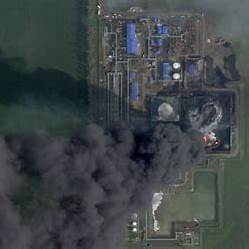
AP reported casualties in recent exchanges, including deaths and injuries linked to drone and missile attacks. Reuters also reported that Russian drone strikes on Odesa wounded civilians and damaged residential buildings, administrative facilities, a kindergarten, and other civilian structures. The environmental danger is also significant. Attacks on oil facilities can cause fires, toxic smoke, fuel leaks, and pollution. Refineries and fuel depots contain dangerous materials. When they burn, they can release harmful substances into the air and water. Reuters reported that attacks on Russian energy facilities have contributed to environmental concerns, including toxic smoke and oil-related pollution in some affected areas. This means the drone war is not only a military issue. It is also a public-health, environmental, and economic problem.
Nuclear Safety Concerns
One of the most dangerous risks is the possibility of drone activity near nuclear facilities. Reuters reported that the International Atomic Energy Agency said a drone targeted the external radiation control laboratory of the Russian-held Zaporizhzhia nuclear power plant. No injuries were reported, but IAEA Director General Rafael Grossi warned that attacks near nuclear facilities create serious safety risks.
This is especially concerning because nuclear facilities require stable security conditions. Even a limited strike near sensitive infrastructure can create fear of wider consequences. The Zaporizhzhia plant has remained one of the most sensitive locations since the beginning of the war. Any incident around the facility increases international concern. This shows that drones can create risks beyond their immediate military purpose.
What Could Happen Next
The coming weeks may show whether Ukraine continues to prioritize Russian oil infrastructure and maritime targets. If these strikes continue, Russia may respond with heavier attacks on Ukrainian cities, ports, and energy systems. This could deepen the cycle of retaliation. Ukraine may keep targeting Russia’s war economy. Russia may increase attacks on Ukrainian civilian and energy infrastructure. There is also a possibility that both sides will invest even more in drone production. This would make the conflict more technological and more difficult to control. The war is therefore likely to remain highly dynamic. Drones will probably continue to shape strategy, logistics, and economic pressure.
Conclusion
The Ukraine Russia drone war is reshaping how modern wars are fought. It combines military pressure, economic disruption, infrastructure attacks, and psychological impact. The latest strikes on Primorsk and other Russian oil-related targets show that the conflict is moving further beyond the front line. The war is no longer only about territorial control. It is also about energy systems, ports, refineries, drones, air defenses, and long-range pressure. For Ukraine, drones offer a way to weaken Russia’s war economy. For Russia, the challenge is defending a vast territory against repeated attacks. For the world, the conflict raises concerns about energy markets, civilian safety, environmental damage, and nuclear security. The main lesson is clear. Drones are no longer supporting weapons. They are now central instruments of modern warfare.