April 2026 | International Affairs
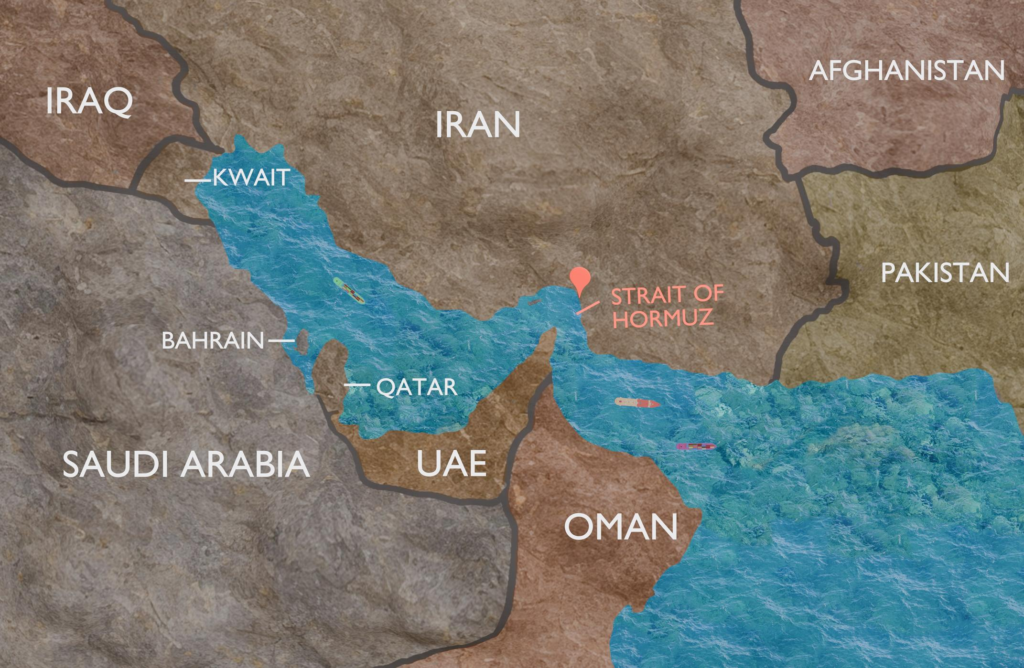
Tensions between the United States and Iran have intensified significantly over the past 48 hours, raising fears of a new geopolitical crisis in the Middle East. What began as a fragile ceasefire is now under serious threat, following a controversial maritime incident near one of the most strategic waterways in the world — the Strait of Hormuz.

⚠️ A Critical Incident at Sea
The latest escalation was triggered when U.S. naval forces intercepted and seized an Iranian-flagged cargo vessel near the Strait of Hormuz. According to U.S. officials, the ship was suspected of transporting materials linked to Iran’s missile development program and attempting to bypass restrictions imposed under the current security framework.
Iran, however, has strongly rejected these allegations. Officials in Tehran described the move as an illegal act and a direct violation of international law, labeling it as “maritime piracy.” The Iranian government insists that the vessel was engaged in legitimate commercial activity and that the interception represents a dangerous escalation that undermines diplomatic efforts.
This incident is particularly sensitive because it occurred during an already tense ceasefire period, where both sides had agreed to limit military actions in order to facilitate negotiations.
Rising Rhetoric and Threats of Retaliation
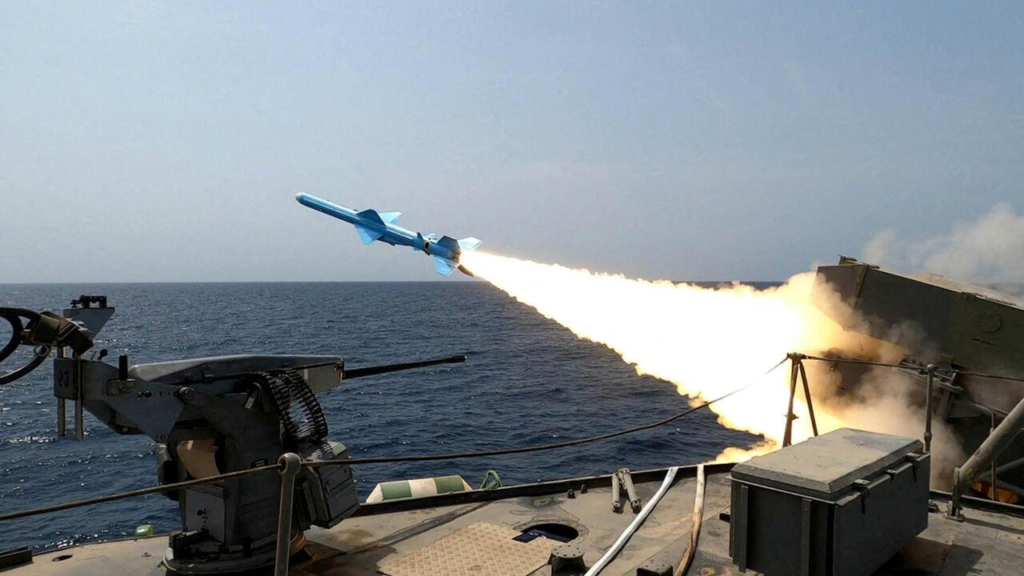
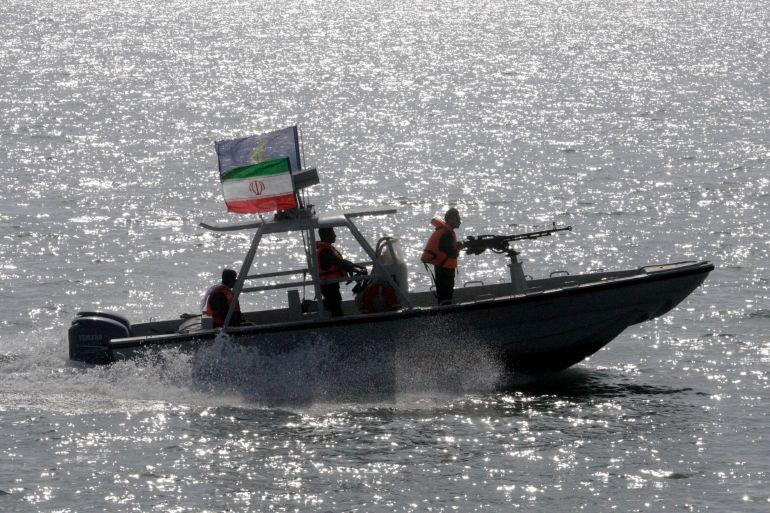
Following the seizure, Iranian leadership issued strong warnings, suggesting that retaliation remains a possibility. Military officials hinted that Iran could respond by targeting U.S. interests in the region or by increasing its naval presence in key strategic areas.
At the same time, political leaders in Iran emphasized that negotiations cannot continue under pressure. They accused the United States of acting in “bad faith” and attempting to gain leverage through military intimidation.
On the other side, the United States defended its actions, stating that enforcing maritime security and preventing the transfer of sensitive materials is essential for regional stability. U.S. officials also warned that any retaliation from Iran would be met with a “firm and immediate response.”
This exchange of threats has significantly increased tensions, pushing both countries closer to a potential confrontation.
Diplomatic Talks Under Pressure
The incident comes at a critical moment, as both countries were preparing for another round of negotiations aimed at extending the ceasefire and addressing broader security concerns.
Talks scheduled to take place in the coming days are now in doubt. While the United States has confirmed its willingness to participate, Iran has not yet made a final decision on whether it will attend.
Iranian officials have expressed frustration with what they describe as unrealistic demands from Washington, particularly regarding limitations on military capabilities and regional influence.
If these talks fail to take place, the chances of de-escalation will decrease significantly, increasing the likelihood of further tensions or even direct conflict.
⛽ Global Economic Impact
The Strait of Hormuz plays a crucial role in the global energy supply, with approximately 20% of the world’s oil passing through this narrow corridor. Any disruption in this region has immediate and far-reaching consequences.
Following the recent developments:
- Oil prices have risen noticeably
- Markets have shown increased volatility
- Investors are closely monitoring the situation
Experts warn that if tensions continue to escalate, the global economy could face:
- Higher energy costs
- Supply chain disruptions
- Inflationary pressure in multiple regions
The economic dimension of this crisis highlights why the situation extends far beyond a bilateral dispute between the U.S. and Iran.
A Fragile Ceasefire Near Collapse
The current ceasefire, established earlier this month, was always considered temporary and fragile. Both sides have previously accused each other of minor violations, but the latest incident represents a much more serious challenge.
With the ceasefire set to expire soon, there are growing concerns that it may not be renewed. The continued presence of U.S. naval forces and Iran’s threats to expand its maritime control create a highly unstable environment.
If the ceasefire collapses, the region could quickly return to a state of open confrontation, with unpredictable consequences.